
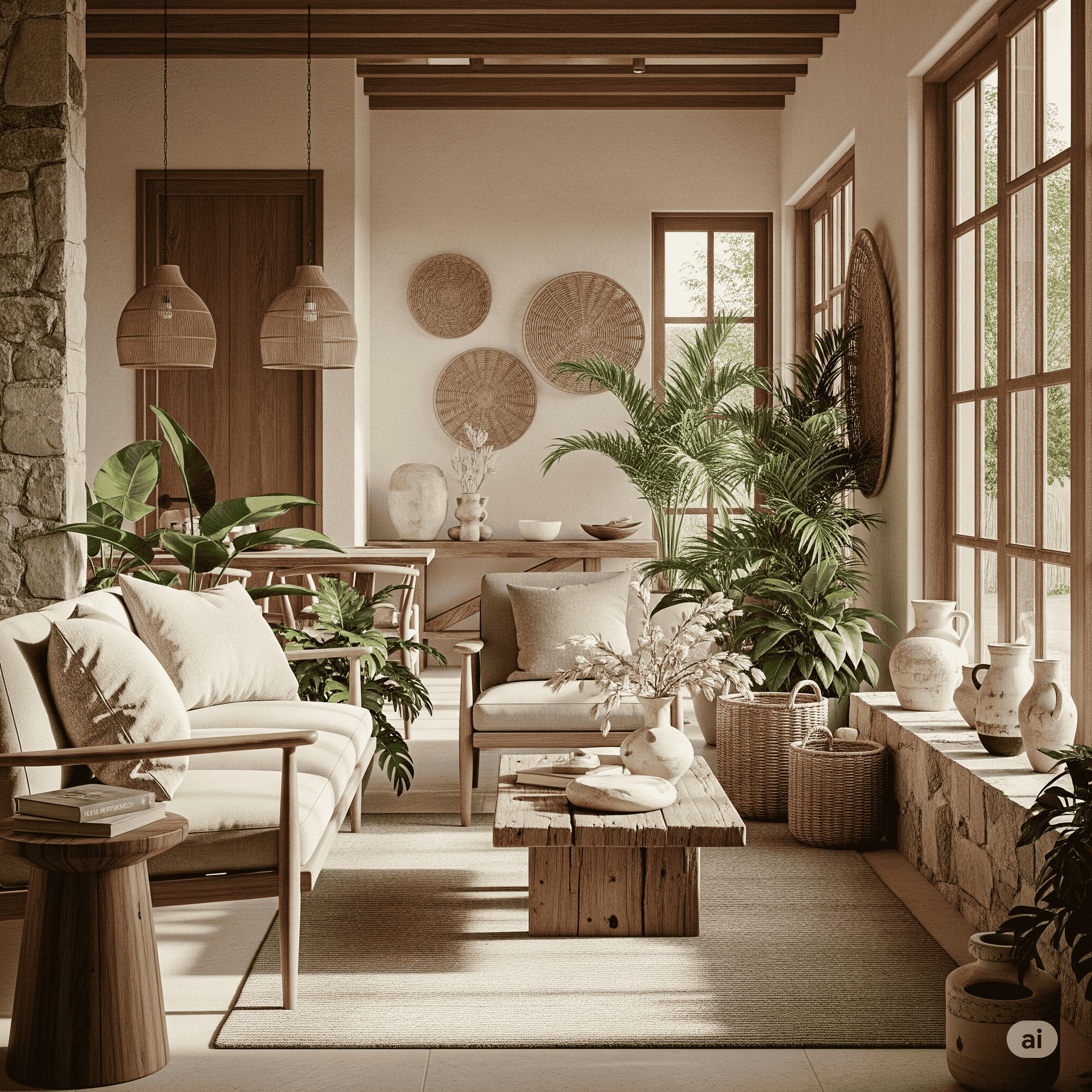
Want a Greener Home?
More and more, we want to live sustainably, and that includes our homes. Our homes are where we spend a huge part of our lives, so many of us want to decorate them with both style and intention. Choosing sustainable home decor isn't just about looks. It can also mean reducing environmental impact, supporting better production practices, and creating a home with lower-toxicity materials and finishes.
But finding sustainable decor can be tricky. "Greenwashing" (when companies make misleading eco claims) is common, making it harder to spot genuinely eco-conscious products. Some shoppers also assume sustainable options are always expensive or visually limiting. In practice, finding stylish, affordable, and more responsible pieces usually comes down to knowing what materials, labels, and product details to look for.
This guide will make finding eco-friendly alternatives for your home decor easier. We'll look at what makes decor sustainable, what materials and labels to look for, and how to find beautiful, responsible green home furnishings. A sustainable home can still be stylish! It's about making smart choices for your home and the planet, and finding alternatives that match your values.
What Makes Home Decor "Sustainable"?
Sustainable home decor isn't just one thing. It's about a product's whole life story – from start to finish. Knowing these key parts helps you pick better sustainable decor alternatives:
- Materials: Look for reclaimed wood, bamboo, cork, FSC wood, organic cotton, linen, hemp, recycled PET, Tencel/Lyocell, recycled glass/metal, natural stone, ceramics with non-toxic glazes, jute, or seagrass.
- How It's Made: Sustainable production uses less waste, water, and energy, and skips toxic chemicals, dyes, and finishes.
- Fair & Ethical: True sustainability includes fair wages, safe conditions, and no forced or child labor. Labels like Fair Trade help.
- Built to Last: Durable, quality construction is more sustainable than disposable items.
- End-of-Life Plan: Can it be repaired, recycled, composted, or disposed of safely?
- Smarter Packaging: Minimal, recycled, or recyclable packaging cuts down on plastic.
- Carbon Footprint: Local is often better; look for brands reducing emissions.
No product is 100% perfect, but if an item ticks several of these boxes, it's a good sign it's a genuinely sustainable choice.
Spotting Eco-Friendly Finds: Key Materials & Labels
To find sustainable decor alternatives easily, focus on the materials used and look for well-known eco-labels.
- Reclaimed Wood: Unique look, keeps wood out of landfills.
- Bamboo: Fast-growing, strong, great for furniture and accessories.
- Cork: Harvested from bark without harming the tree.
- FSC-Certified Wood: Responsibly managed forests.
- Organic Cotton: No synthetic pesticides or fertilizers.
- Linen: Durable, needs less water and pesticides.
- Hemp: Strong, durable, minimal water, no pesticides.
- Recycled Materials: Glass, metal, plastic (rPET), recycled fabrics.
- Jute, Seagrass, Rattan: Natural, renewable fibers for rugs, baskets, furniture.
Common Eco-Labels: FSC, GOTS, OEKO-TEX, Fair Trade, Cradle to Cradle, GREENGUARD, B Corp.
Check product descriptions for these materials and labels to find genuinely sustainable alternatives.
How to Find Sustainable Decor You'll Love
- Search Smarter: Use specific terms like "reclaimed wood coffee table" or "organic cotton throw pillows." Add your style, e.g., "minimalist linen curtains."
- Shop Eco-Focused Stores: Try stores like Made Trade, EarthHero, or Ten Thousand Villages.
- Read Up on Brands: Look for brands with transparent info on materials, processes, and certifications.
- Use Website Filters: Filter by material or eco-collections on big retail sites.
- Go Vintage & Secondhand: Thrift stores, consignment shops, antique malls, and online marketplaces are great for unique, sustainable finds.
- Support Local Makers: Local artisans, craft fairs, and Etsy (filtered by location) offer unique, often more transparent options.
- DIY & Upcycle: Repurpose or refinish old items for a sustainable and creative touch.
- Use Discovery Tools: Platforms like getmatchymatchy.com can help you find sustainable options—check product descriptions and filters for eco-friendly features.
Finding sustainable alternatives might take a little more digging, but the effort leads to a home that is not only stylish but also healthier and more aligned with your values. Ready to find sustainable decor? Start exploring options from trusted retailers today!
Decorate with a Purpose
Making your home a sustainable sanctuary is a journey, not a race. It's about making conscious choices, one item at a time, to reduce our environmental footprint and support ethical practices, all while keeping your home comfortable and beautiful. The idea that sustainable decor is hard to find, too expensive, or stylistically limited is fading as more brands embrace eco-friendly materials and become more open about how they make their products.
When you understand what makes decor sustainable – from materials and manufacturing to labor practices and what happens to it at the end of its life – you can become a more discerning shopper. Focusing on renewable, recycled, or reclaimed materials like FSC-certified wood, bamboo, organic cotton, linen, and recycled glass, and looking for credible certifications like GOTS, Fair Trade, or B Corp, empowers you to identify genuinely responsible eco-friendly alternatives.
Using smart search strategies, exploring specialized sustainable retailers, embracing the charm of vintage and secondhand finds, and supporting local makers are all effective ways to discover sustainable home decor. While this path requires a bit more intention than simply clicking "add to cart" on the first trendy item you see, the result is a home filled with pieces that tell a story of mindful consumption and care for the planet.
Let your search for alternatives be guided not just by aesthetics, but by purpose. Choose pieces that are built to last, made responsibly, and contribute to a healthier environment, transforming your home into a true sanctuary that reflects both your style and your values.